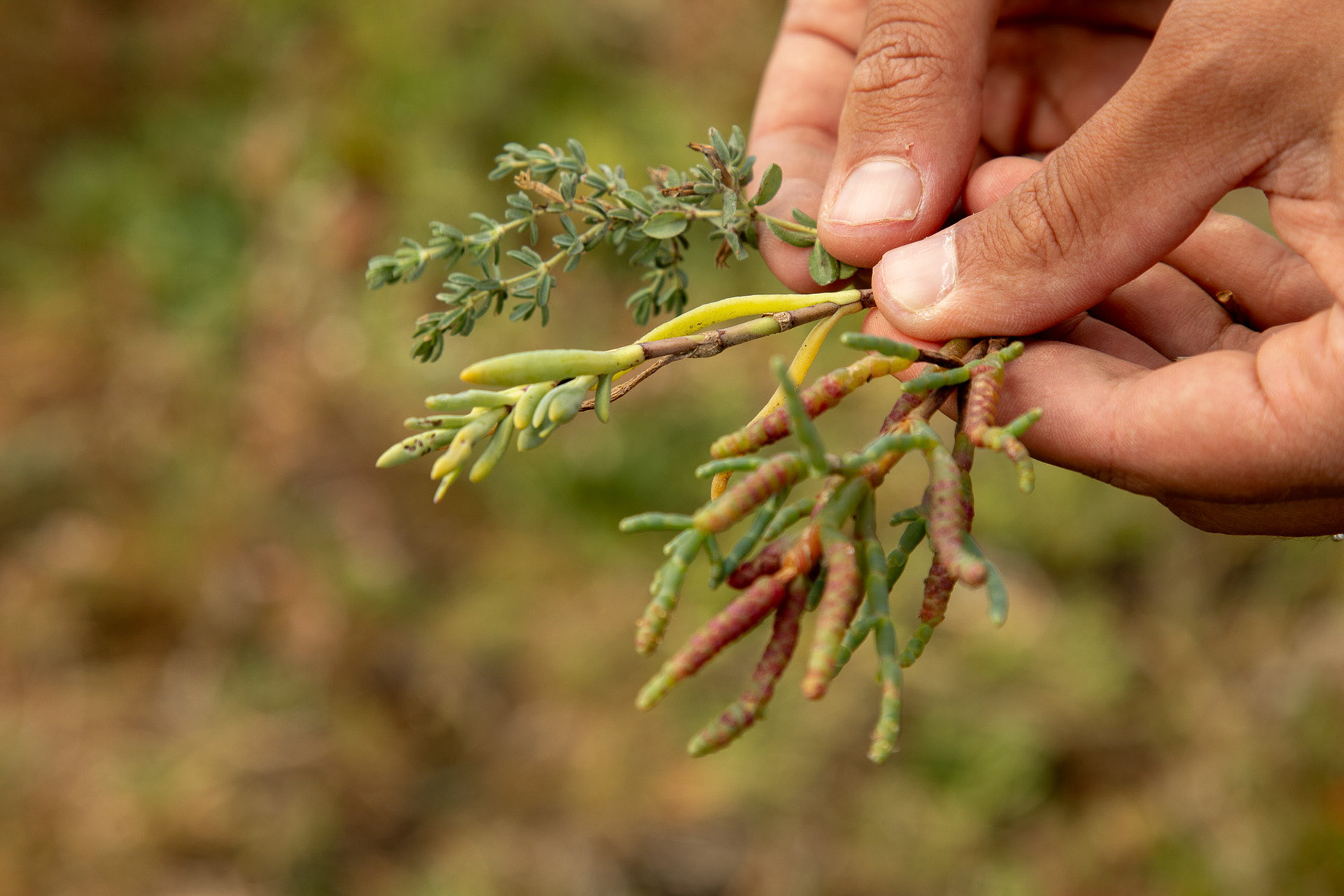
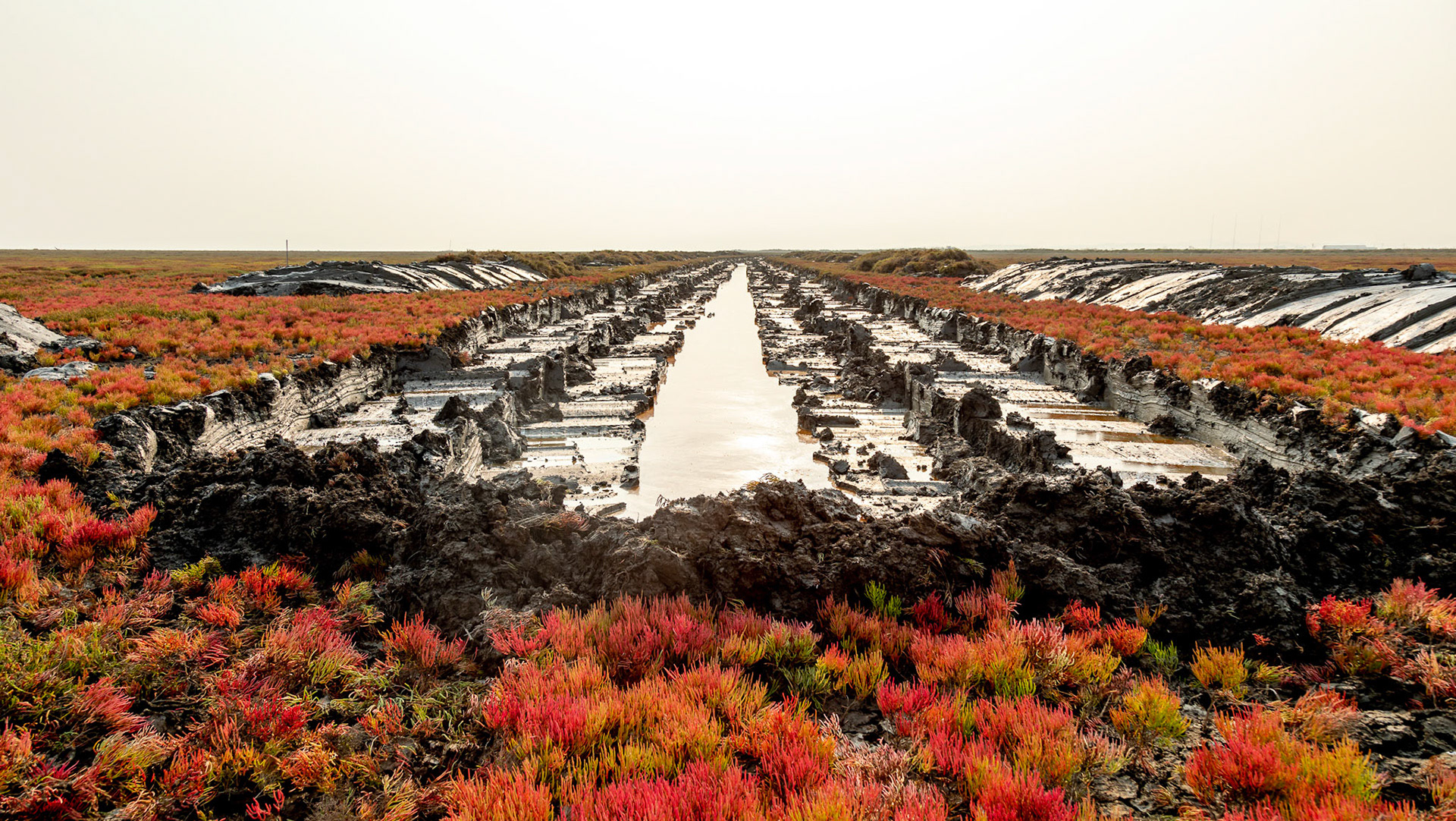
Kathryn Beheshti, a UCSC doctoral candidate shows samples of tidal marsh vegetation. The pickleweed showed in the right is very important for the overal health of the marsh and for bank stabilization. Elkhorn Slough National Estuarine Research Reserve. Watsonville, California, USA, September 18, 2019.
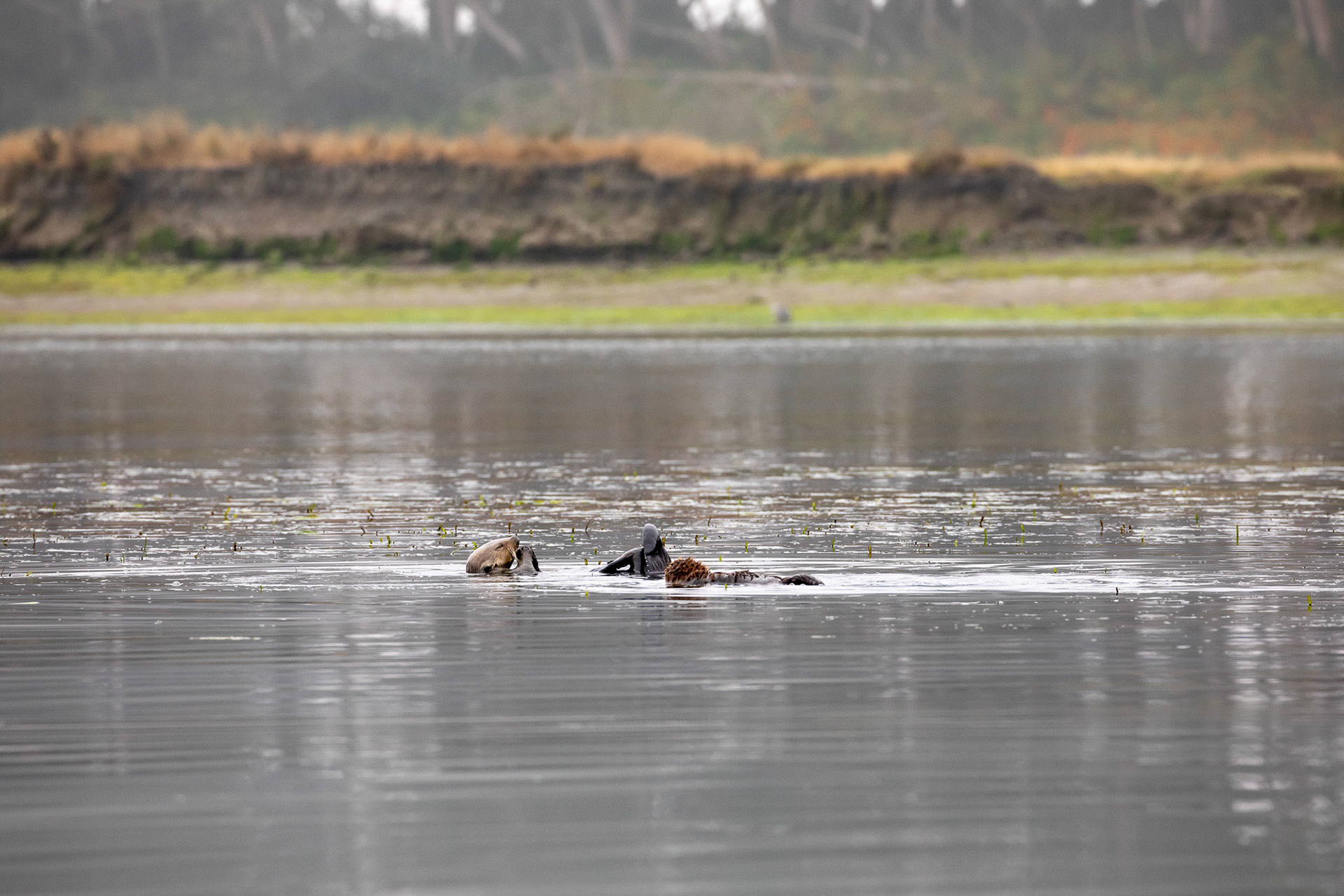
A sea otter feeds in the slough while her pup rests next to her. Elkhorn Slough National Estuarine Research Reserve. Watsonville, California, USA. July 8, 2024.
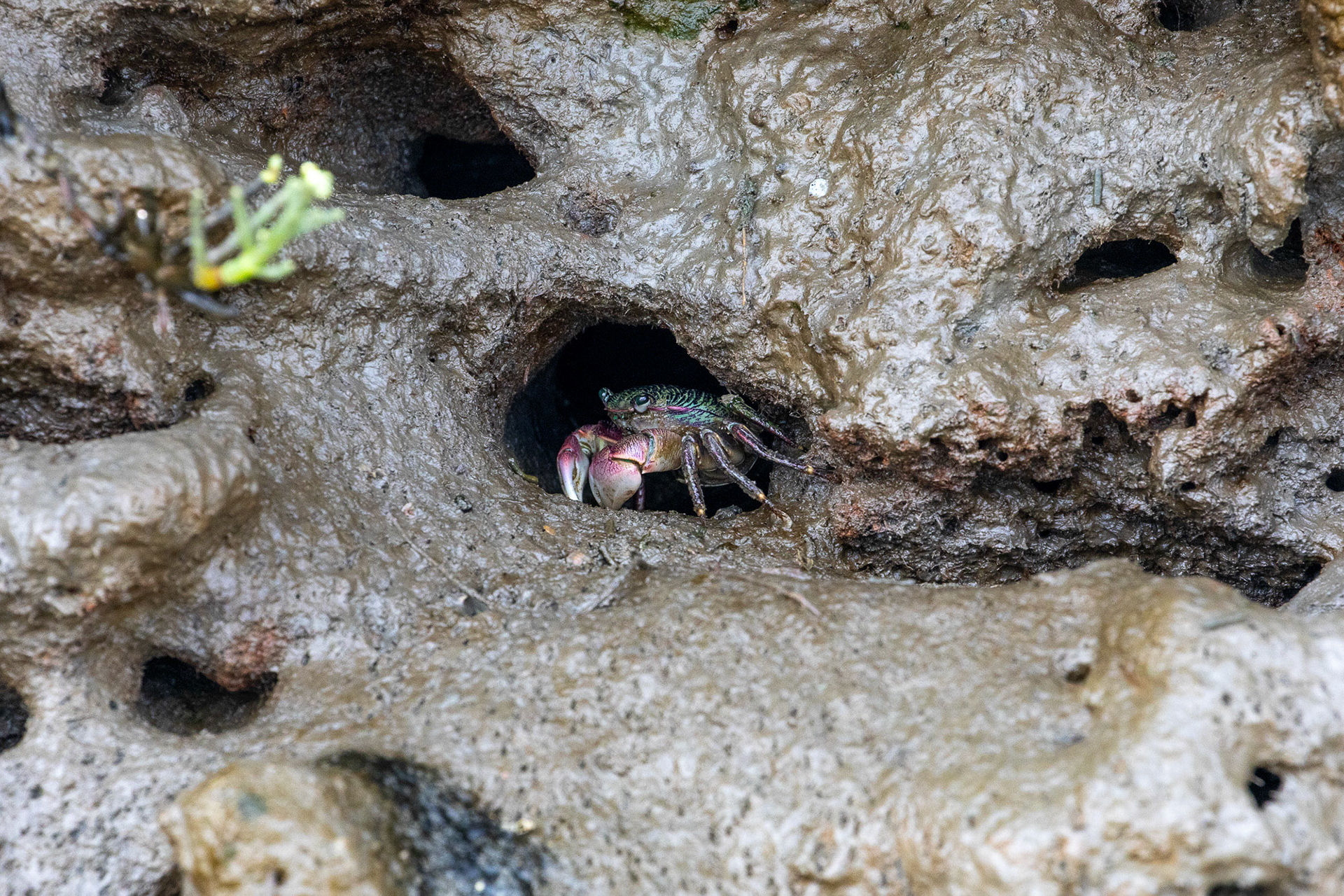
A shore crab hides in its burrow in the banks of the Elkhorn Slough. These crabs burrow along creek margins and are abundant in some areas of the slough. Elkhorn Slough National Estuarine Research Reserve, Moss Landing, California. July 8, 2024.
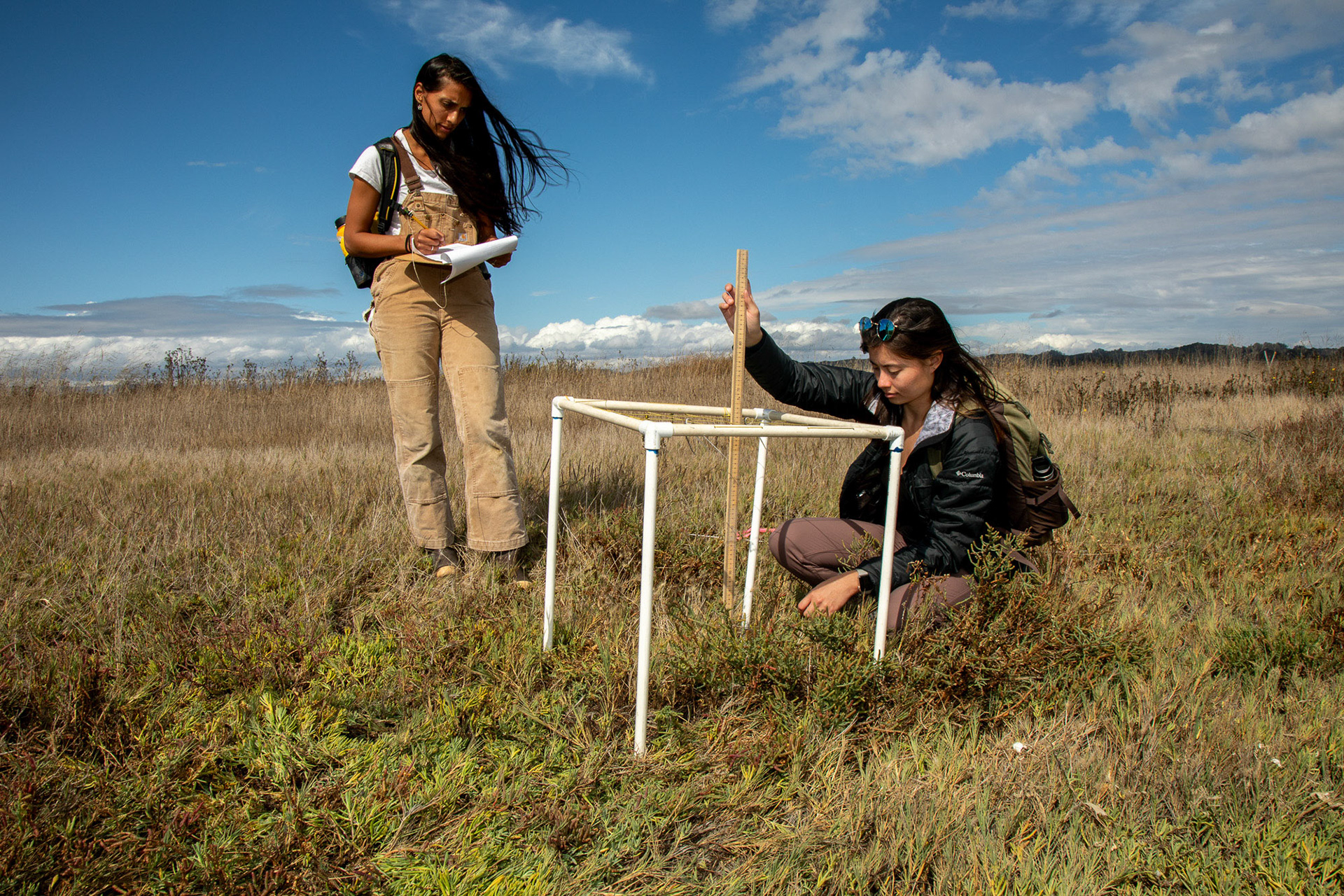
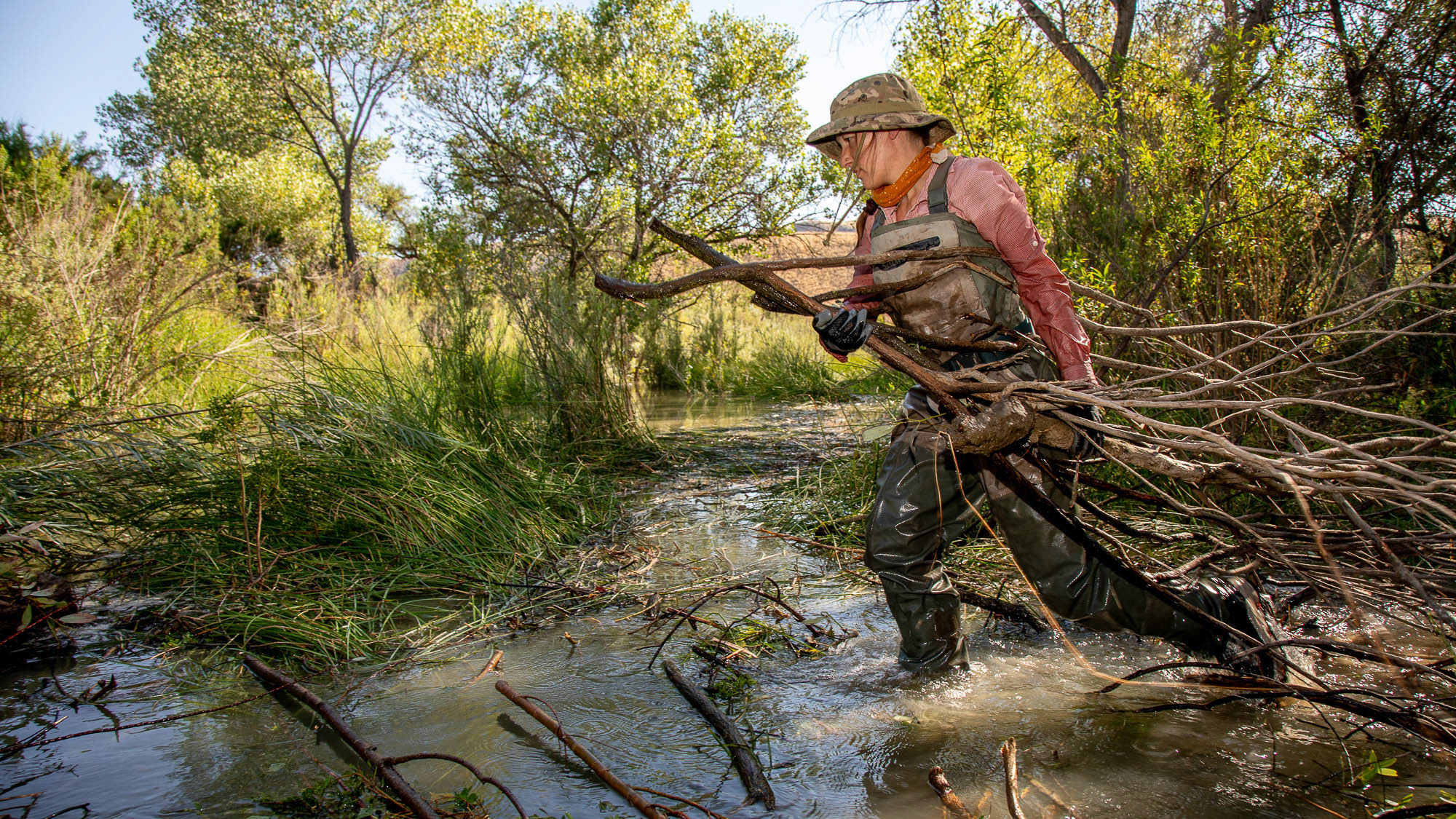
Kathryn Beheshti, UCSC doctoral candidate, in the field with Alexandra Thomsen, CSUMB graduate student. They are performing measurements in the tidal marsh vegetation in Elkhorn Slough National Estuarine Research Reserve. Watsonville, California, USA, September 18, 2019.
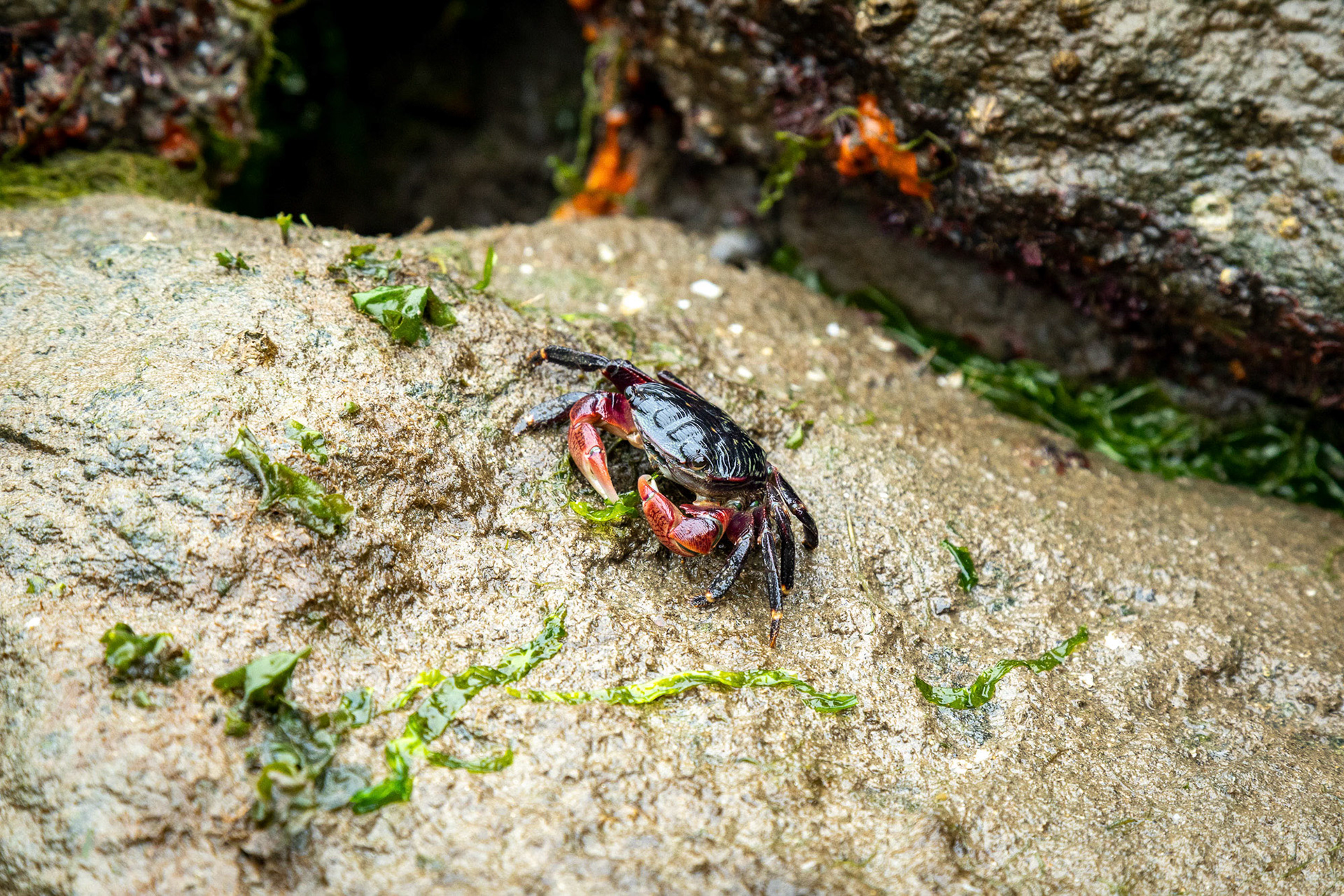
A shore crab eating algae. Elkhorn Slough, Moss Landing, California, USA.
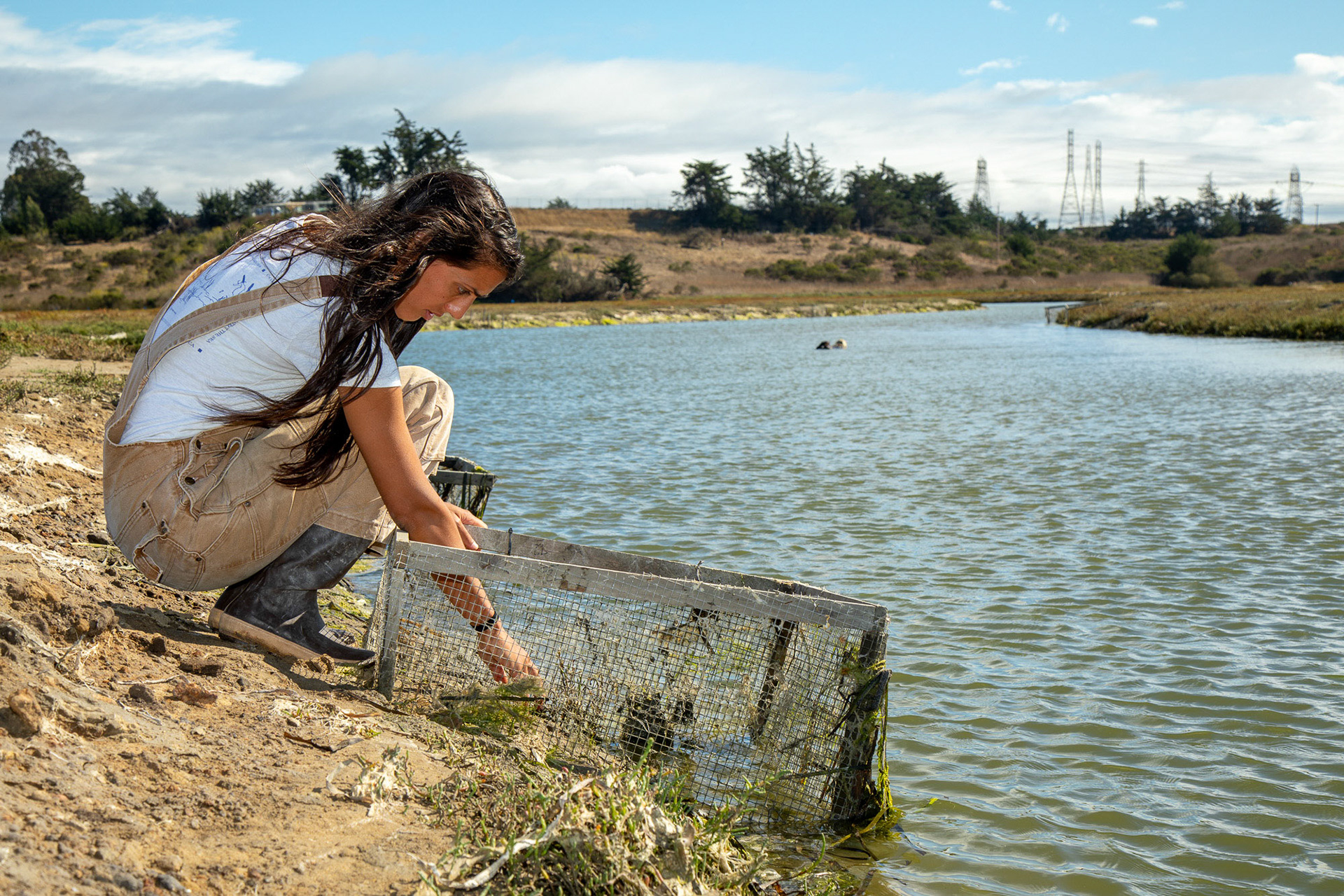
Kathryn Beheshti, a UCSC doctoral candidate, researches plant-invertrebate interaction within the tidal marshes of Elkhorn Slough. In this picture she checks a predator-exclusion experiment for shore crab burrows. The results of the experiment are that without sea otters crab population and burrowing increased while plant cover decreased significantly. Elkhorn Slough National Estuarine Research Reserve. Watsonville, California, USA, September 18, 2019.
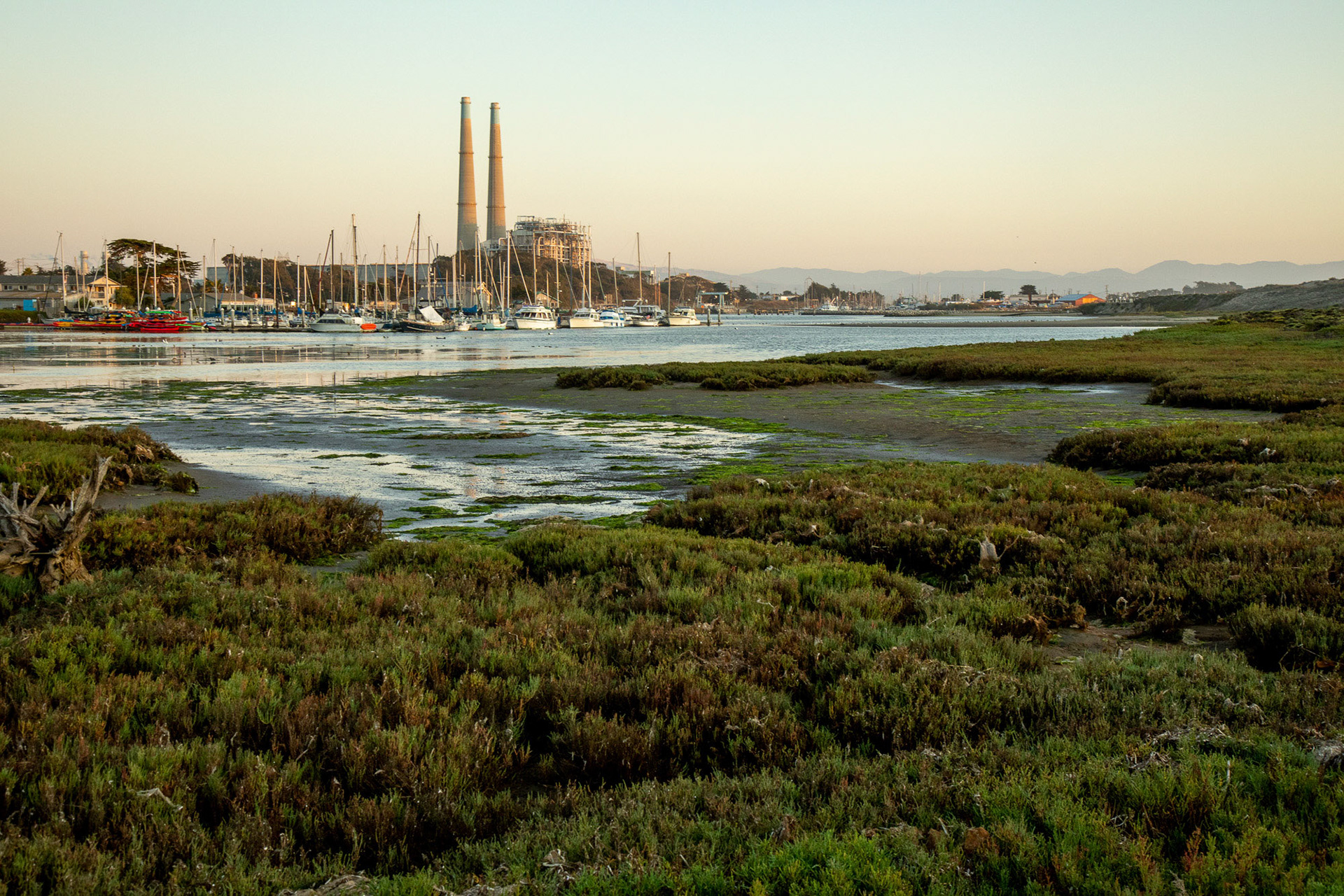
View overlooking the slough, Moss Landing Power Plant and the Harbor from Jetty Road in Moss Landing State Beach. Moss Landing, California, USA, September 19, 2019. The slough is the United States first estuarine sanctuary and is a RAMSAR wetland.
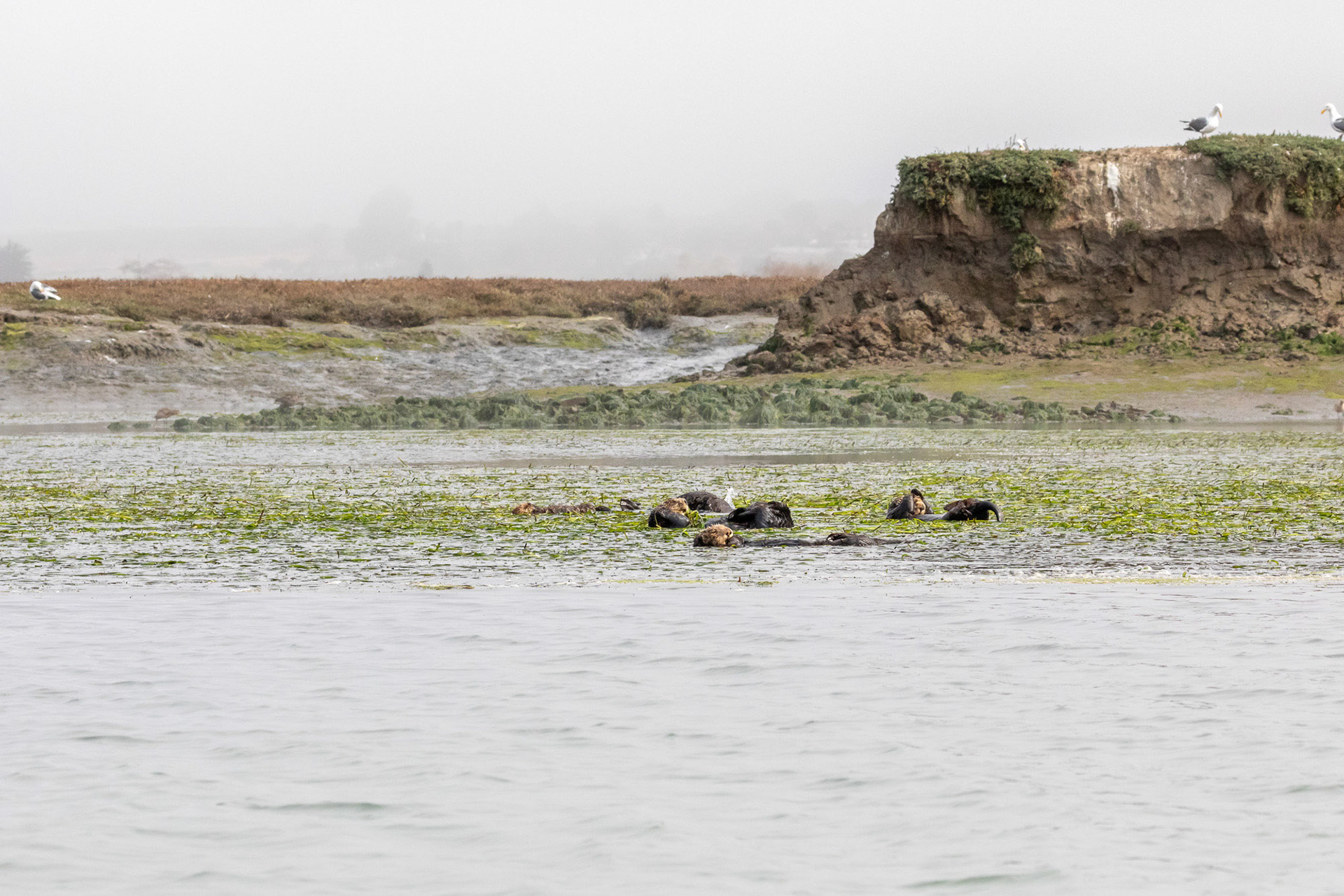
A group of sea otters resting in the sea grass in the Elkhorn Slough, Moss Landing, California, USA. July 11, 2024. In the background the creekbank shows signs of erosion.