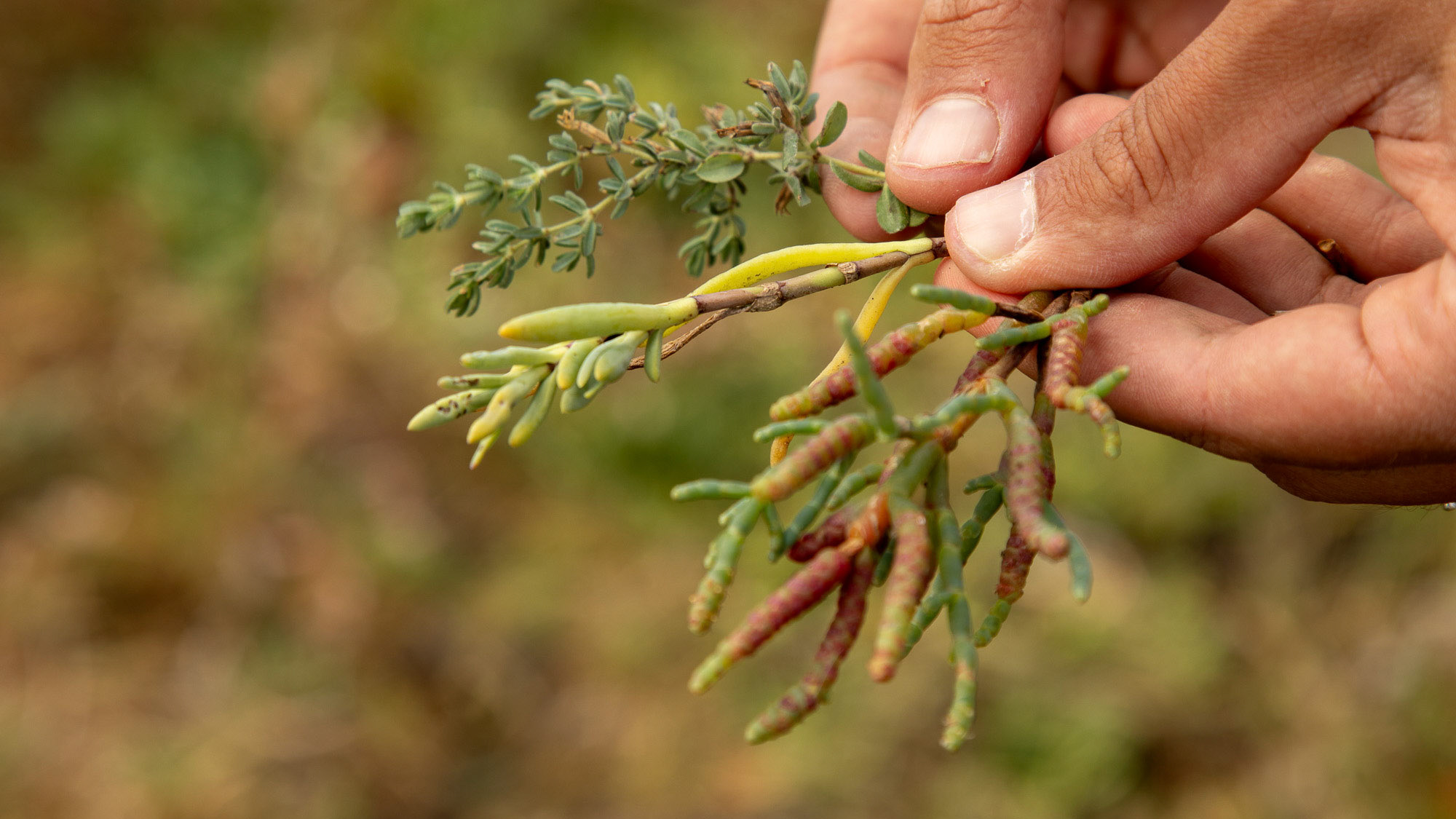
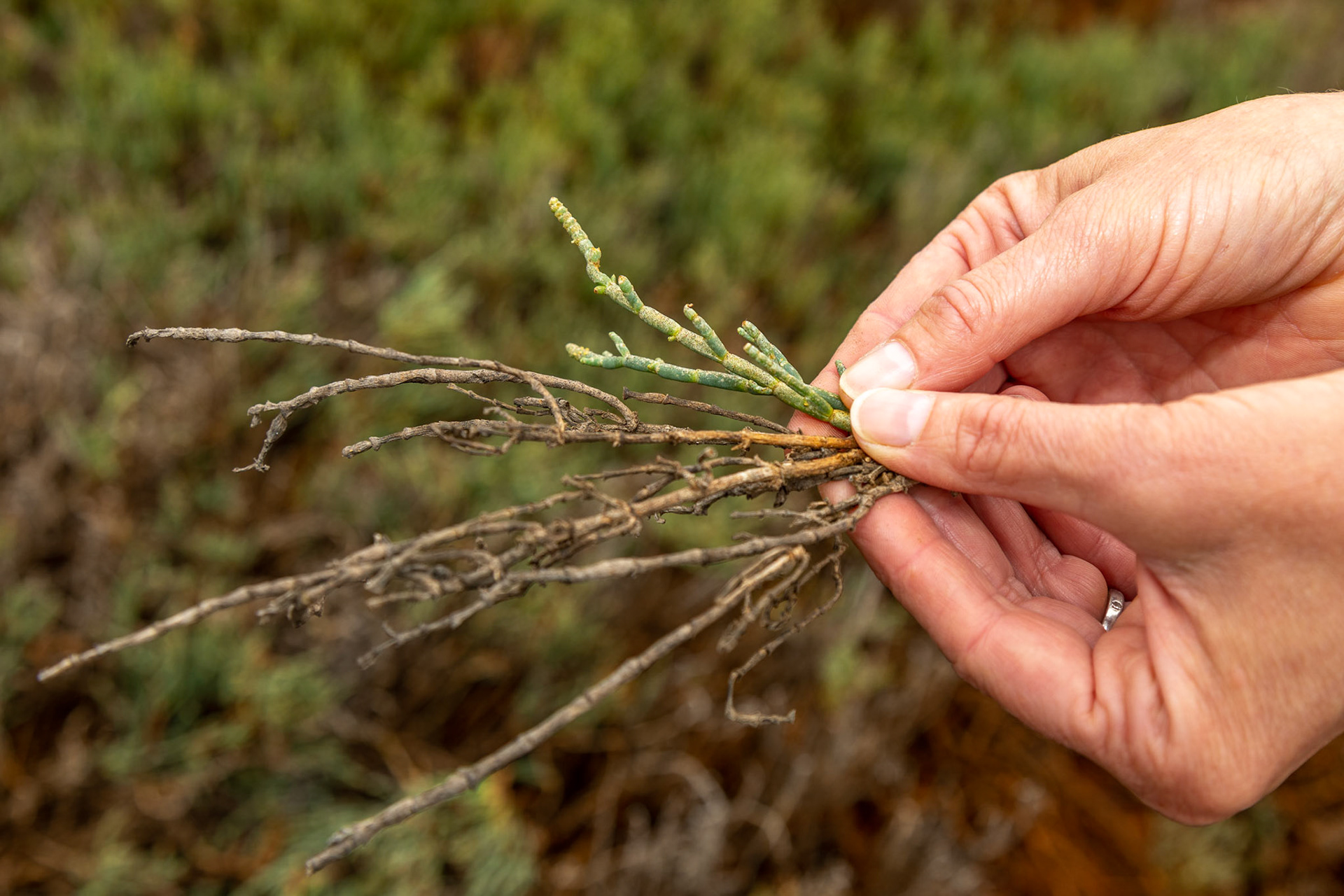
Andrea Jones, Audubon California Director of Bird Conservation, holds  Pickleweed in front of the Sonoma Creek Marsh Enhancement Project location. On one side is the dead pickleweed that currently occurs in the location due to high water level, and in the other is the healthy pickleweed that is the goal to increase in the area. San Pablo Bay National Wildlife Refuge, CA.
Andrea Jones, Audubon California Director of Bird Conservation, holds Pickleweed in front of the Sonoma Creek Marsh Enhancement Project location. On one side is the dead pickleweed that currently occurs in the location due to high water level, and in the other is the healthy pickleweed that is the goal to increase in the area. San Pablo Bay National Wildlife Refuge, CA.
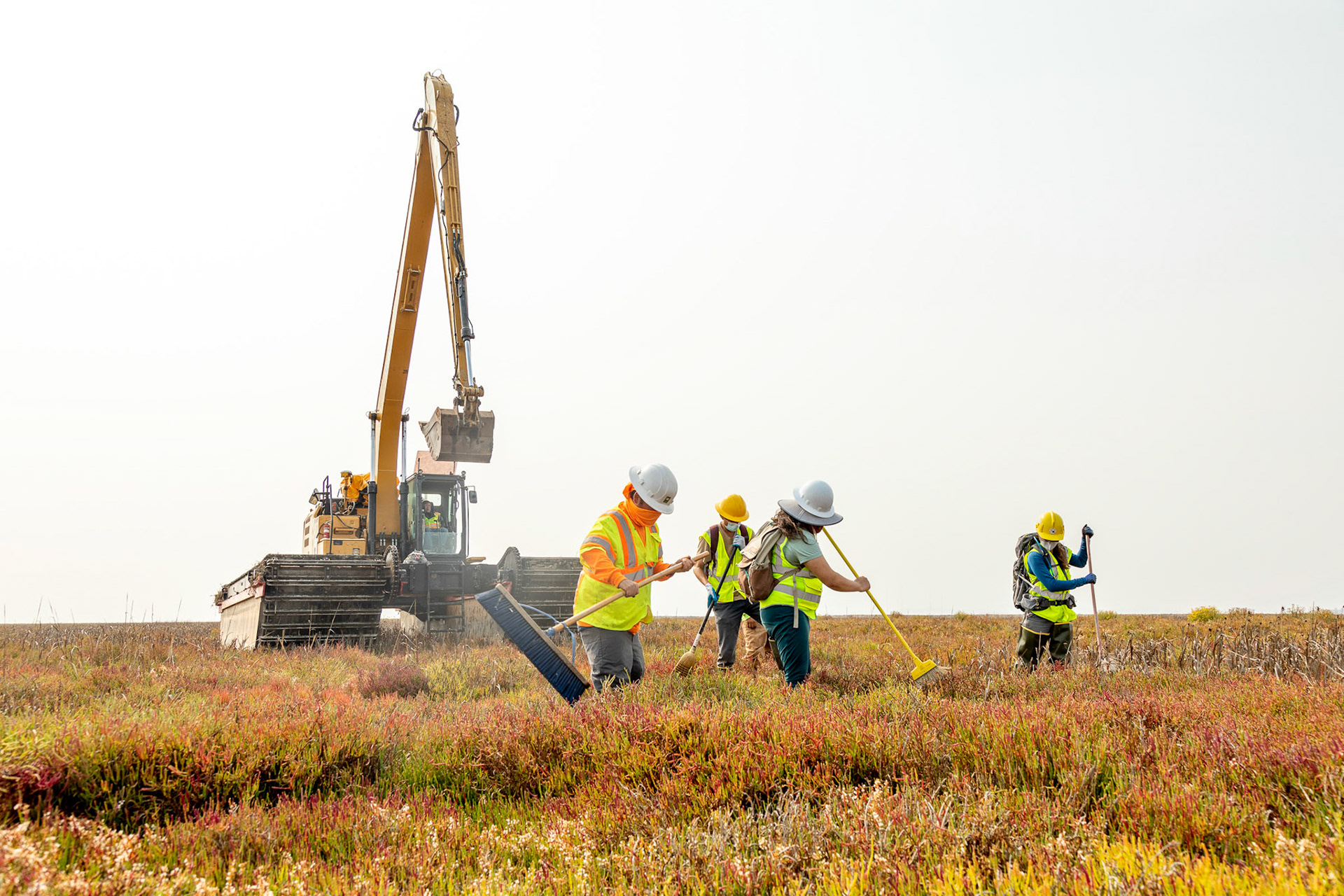
Haymar Lim, Paige Fernandez, Brett Stormoen, Michael del Sarto, and Jose Gutierrez performing their work as Sonoma Creek Project Biological Monitors. They walk using the brooms to chase away the wildlife, while Rex Watson slowly moves the machinery through the tidal marsh. The machine was relocated to open channels in a new location on the marsh. San Pablo Bay National Wildlife Refuge, CA.
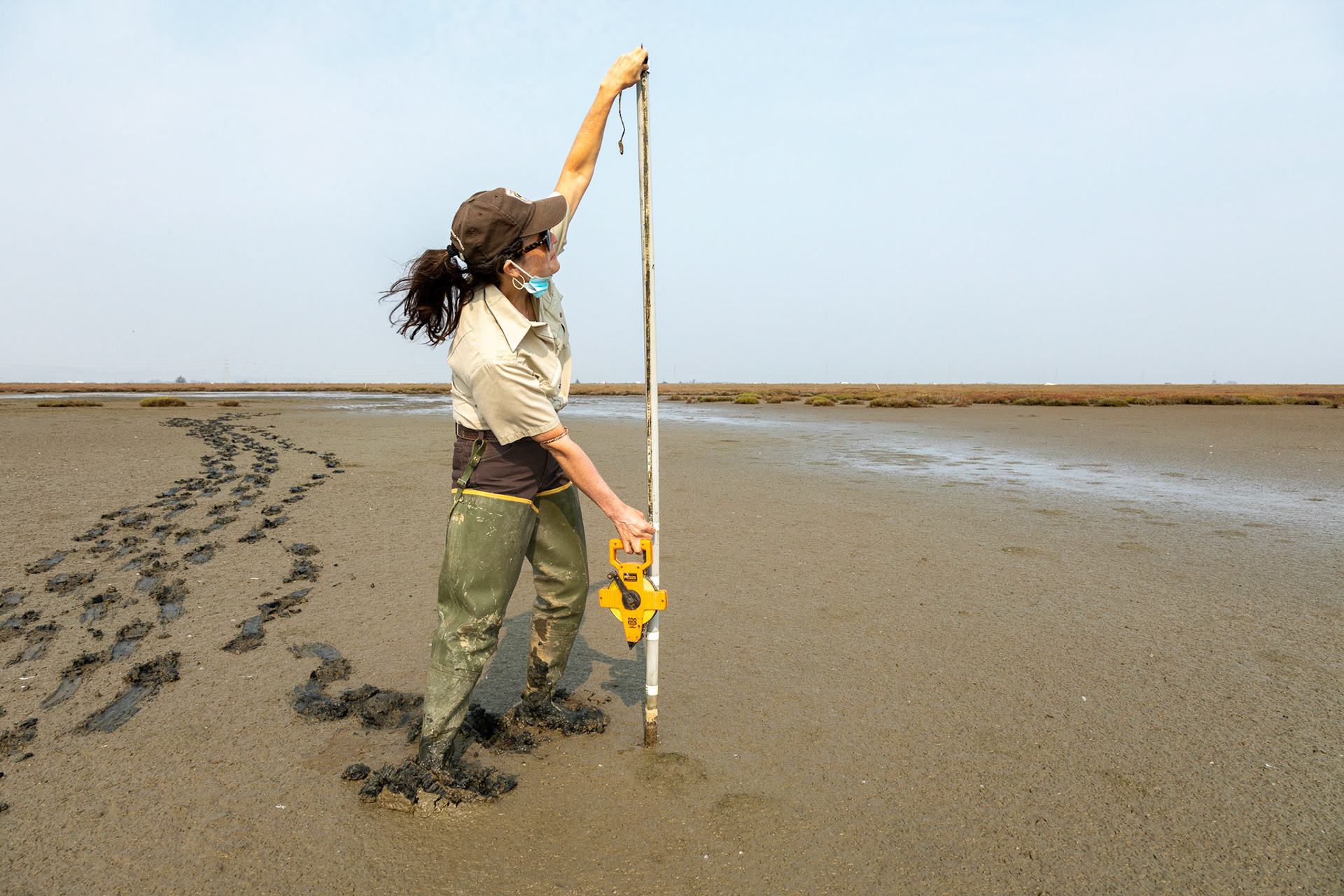
Meg Marriott, Wildlife Biologist, San Pablo Bay NWR and Marin Islands NW, measures the height of the soil in a mud flat in the Sonoma Creek Enhancement Project. San Pablo Bay National Wildlife Refuge, CA.
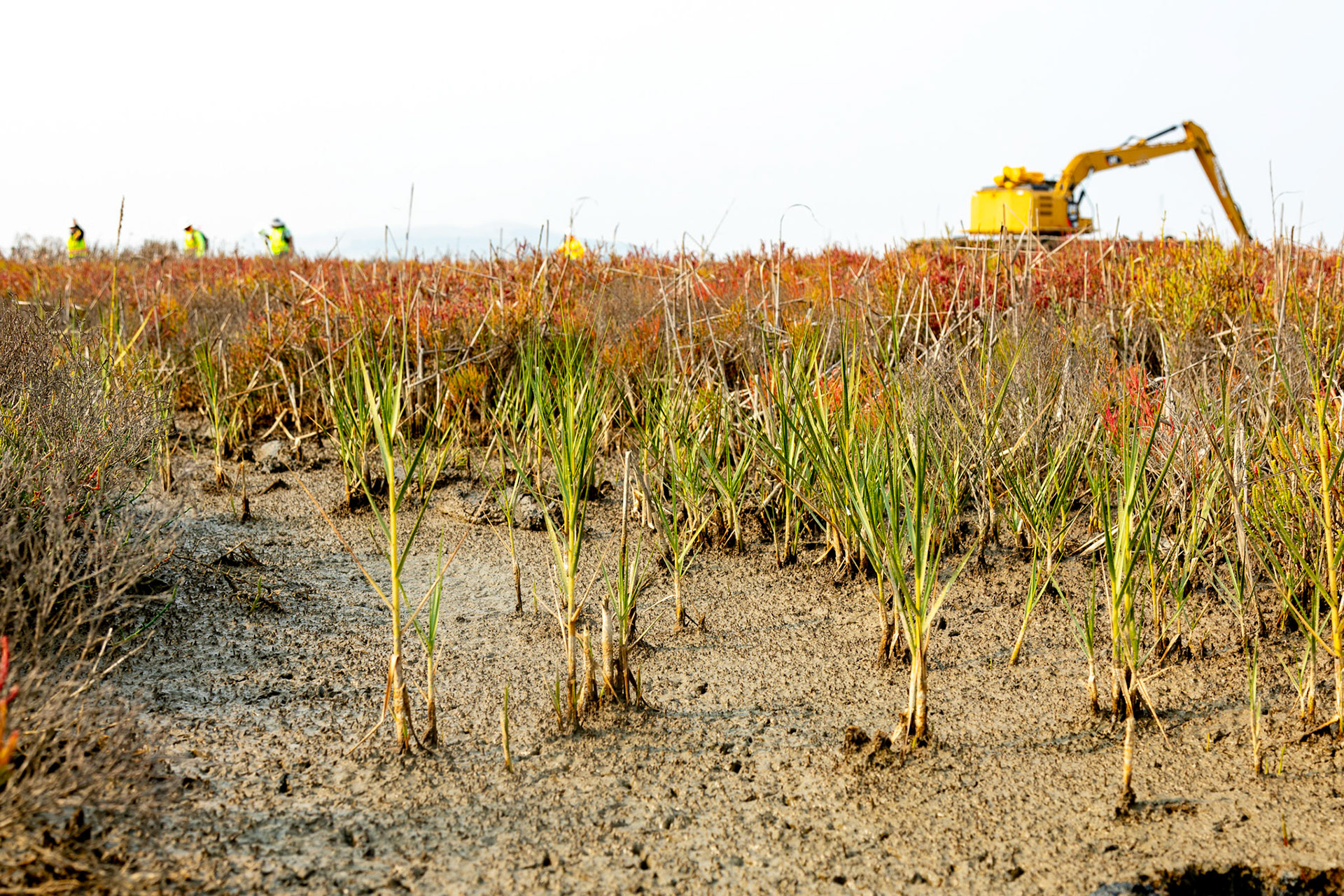
Cordgrass growing in a secondary channel on the location of the first phase of the  Sonoma Creek Enhancement Project. In the background, the machine used to open the tidal channels in the location and the biological monitors leaving the area. San Pablo Bay National Wildlife Refuge, CA.
Cordgrass growing in a secondary channel on the location of the first phase of the Sonoma Creek Enhancement Project. In the background, the machine used to open the tidal channels in the location and the biological monitors leaving the area. San Pablo Bay National Wildlife Refuge, CA.
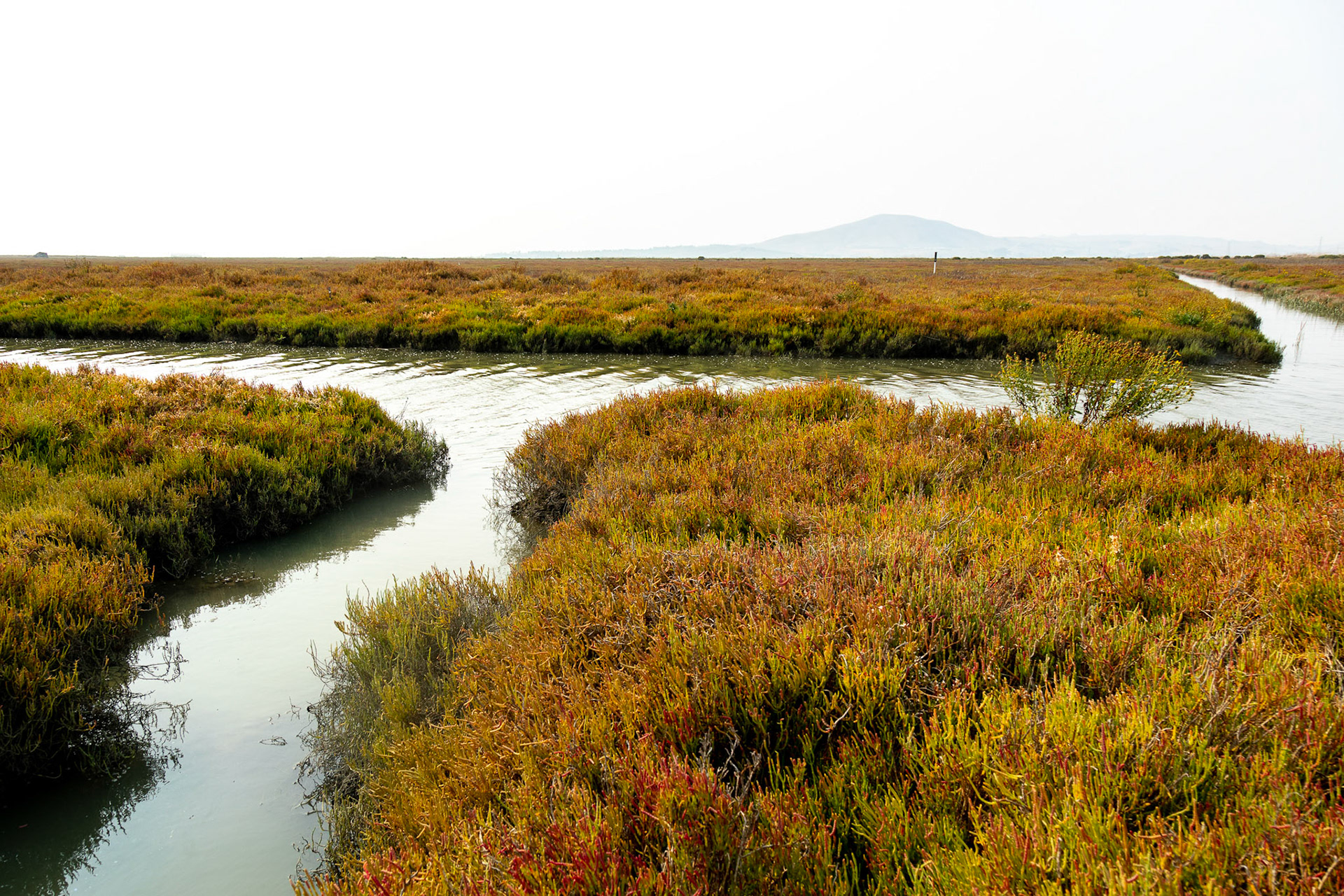
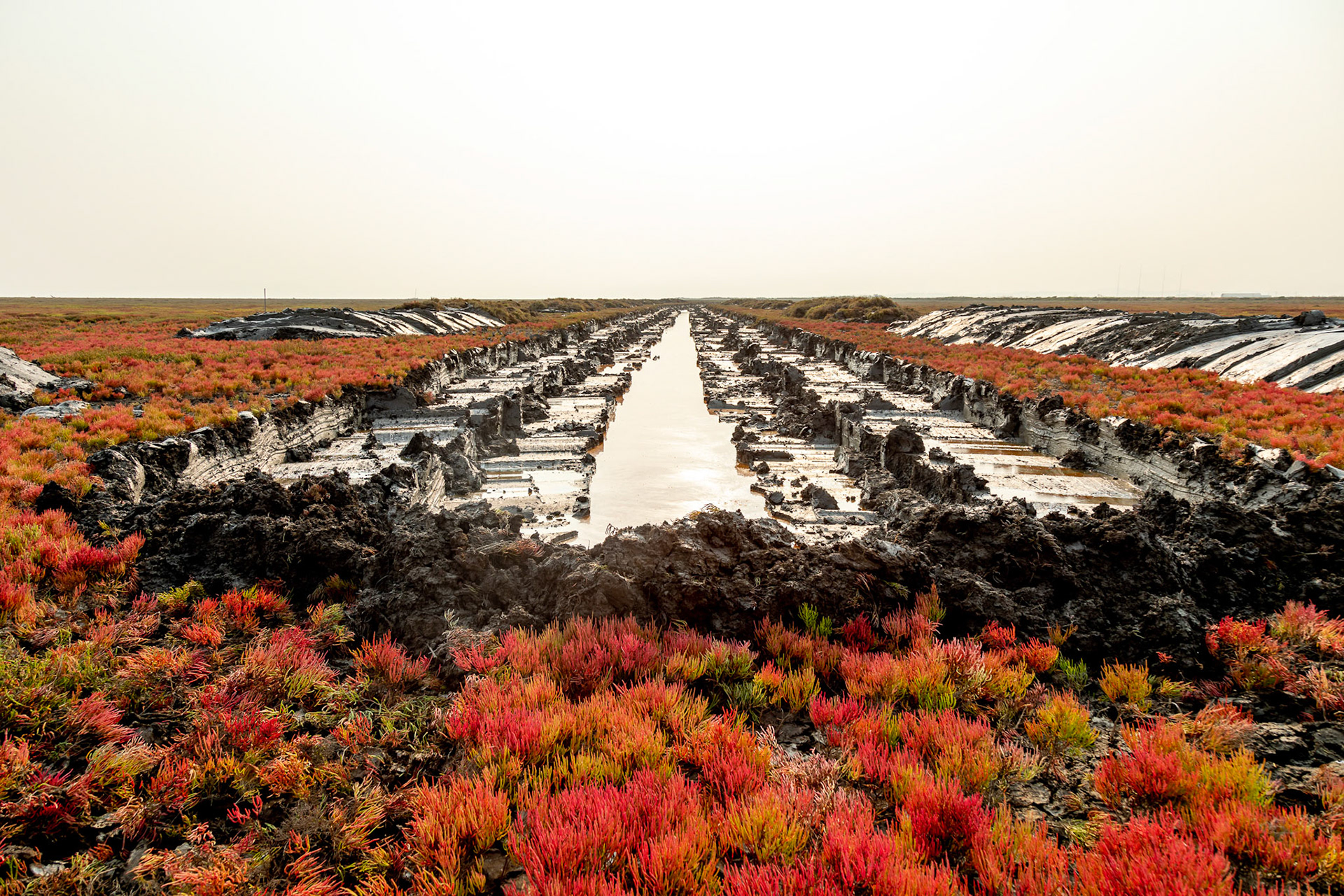
The central tidal channel and secondary channels in the location of the first phase of the  Sonoma Creek Enhancement Project. San Pablo Bay National Wildlife Refuge, CA.
The central tidal channel and secondary channels in the location of the first phase of the Sonoma Creek Enhancement Project. San Pablo Bay National Wildlife Refuge, CA.
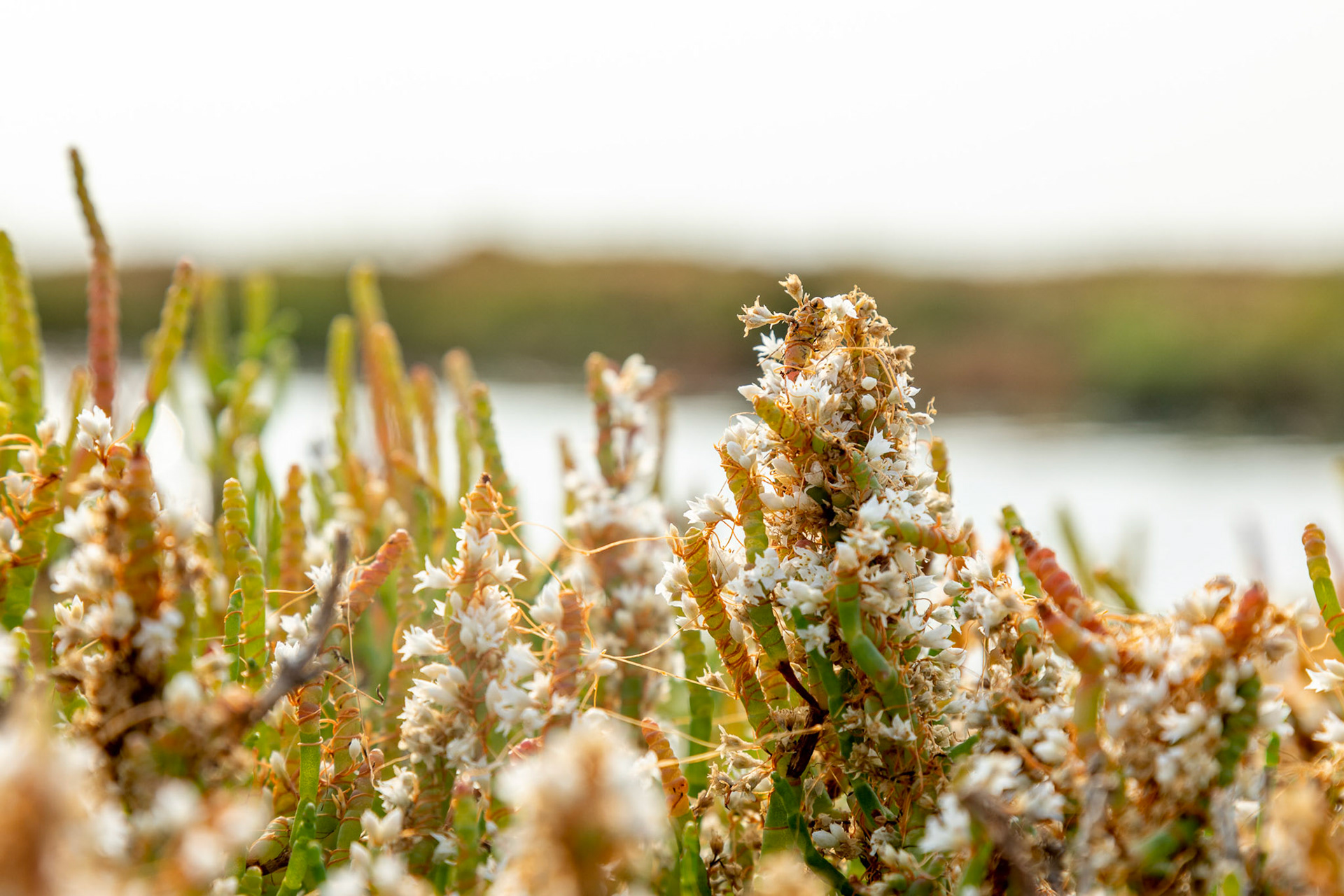
Pickleweed plants flowering in the Sonoma Creek Marsh Enhancement Project location. San Pablo Bay National Wildlife Refuge, CA.
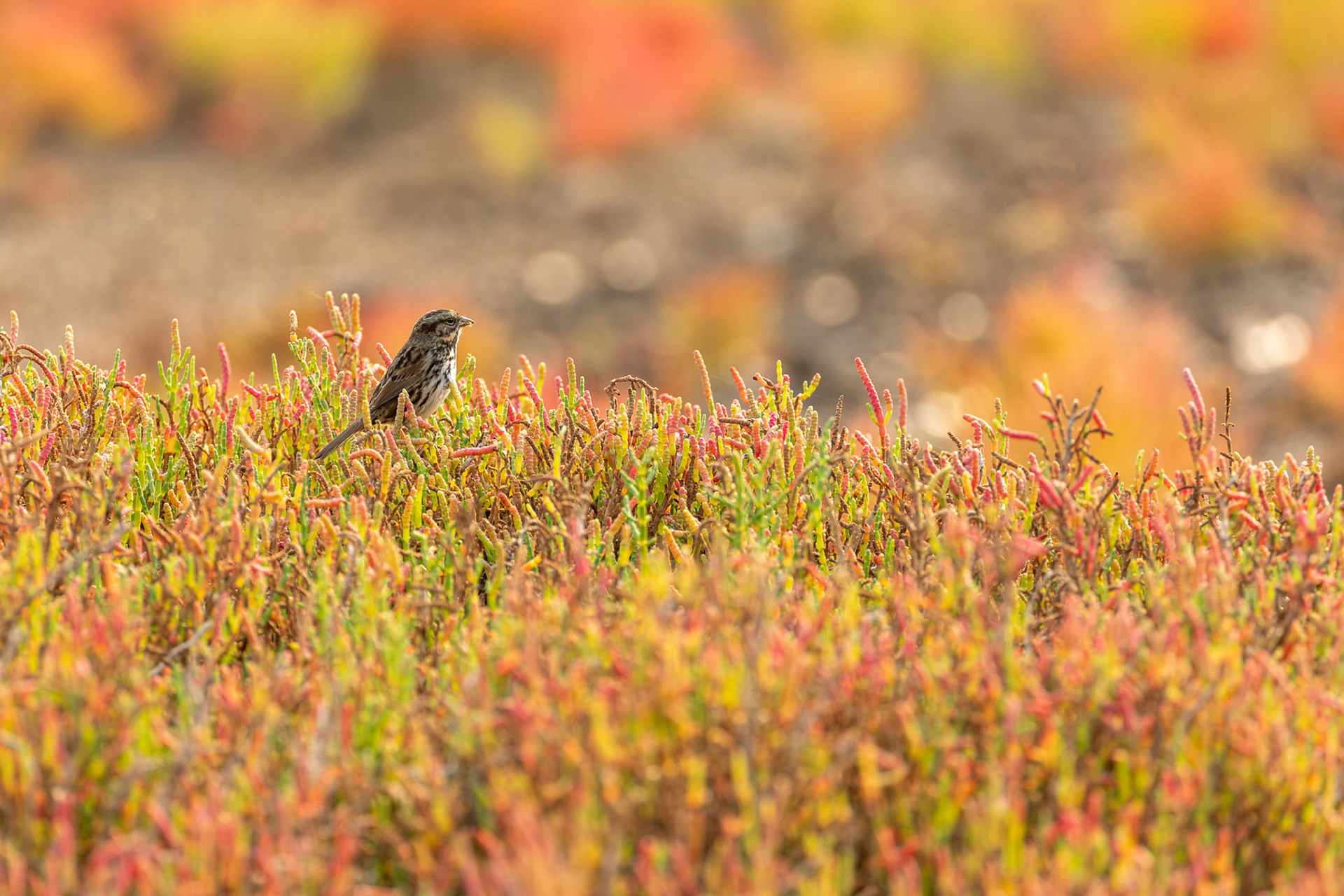
San Pablo Song Sparrow perched in the pickleweed of the Sonoma Creek Enhancement Project location. San Pablo Bay National Wildlife Refuge, CA.
View of the recently built central tidal channel and the series of marsh mounds along the channel length. San Pablo Bay National Wildlife Refuge, CA.

You may also like

Back to Top